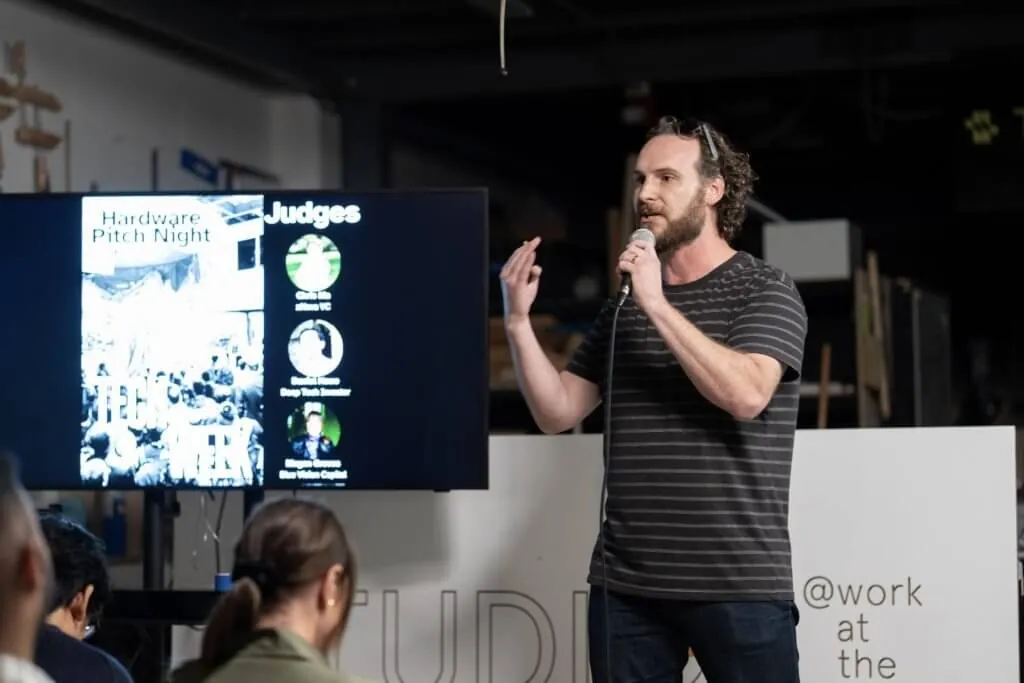
What comes after counting steps in our quest for monitoring health? At our October Hardware Pitch Night, seven startups offered compelling answers: automatic nutrition tracking, continuous pregnancy monitoring, better tools for diagnosing vertigo, and more.
Hosted at Studio 45 during SF Tech Week, the evening brought together founders, engineers, and investors to explore wearables for health and medicine. Organized by informal, informal fund, and Studio 45, with support from our sponsor NexPCB, the event gave teams a chance to present their work and get feedback from people who understand the challenges of building physical products.
The lineup showed just how many forms a wearable can take—and how much opportunity remains beyond the smartwatch.
Ignia presented a pendant designed to automatically track what you eat. Combining motion, proximity, audio, and vision sensing, the team is working to remove the manual logging that makes nutrition tracking difficult to maintain. The design also tackles a challenge particular to camera-equipped wearables: making privacy part of the product from the start.
Project Stardust is developing a wearable for continuous fetal monitoring. Its approach aims to bridge the gaps between prenatal appointments, bringing more information about pregnancy into the home through hardware and AI.
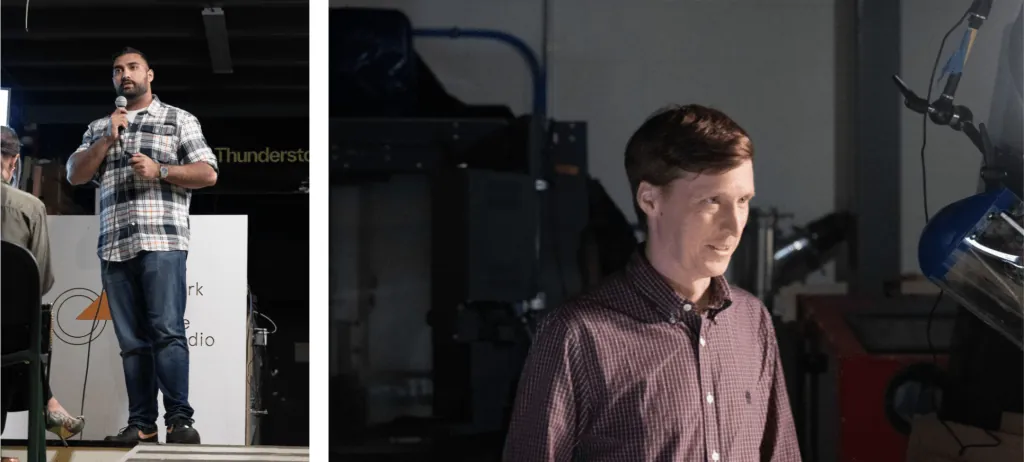
The Ignia and Project Stardust pitches
Sigil Health is exploring what a discreet earpiece can reveal about vascular health. Its product focuses on tracking arterial stiffness and helping people understand how food and eating habits affect their bodies.
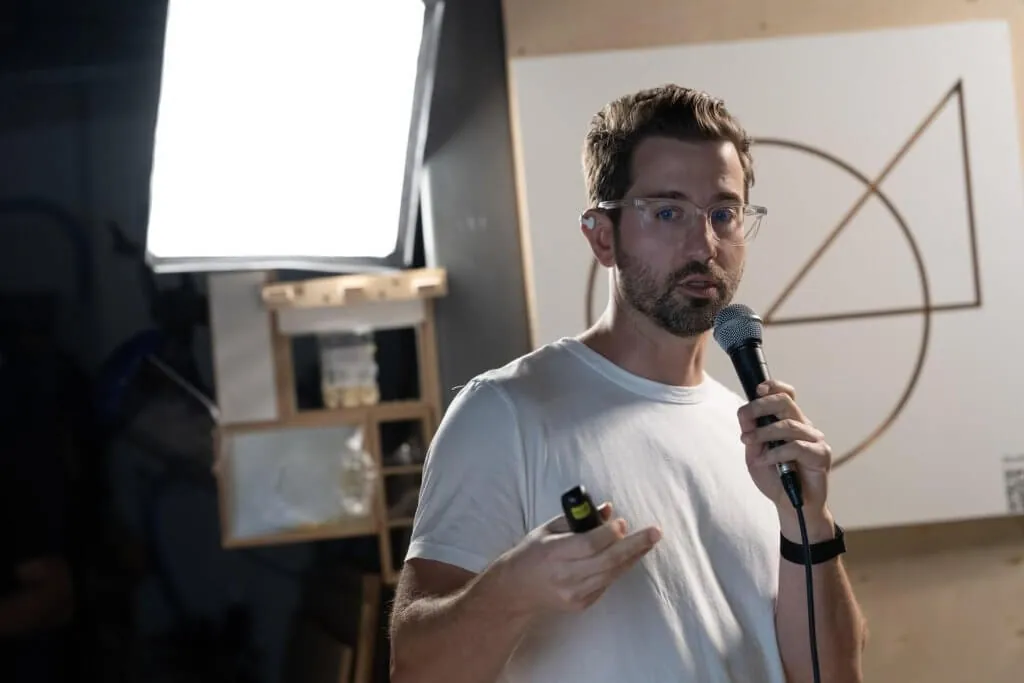
The Sigil Health earpiece pitch
Two teams approached vertigo from different directions. Avionova presented earbuds designed to relieve motion sickness and vertigo, with an initial focus on maritime applications. DizzyEX is developing a wearable that records eye and head movements during everyday life, helping clinicians capture the fleeting episodes that can make vertigo difficult to diagnose during an office visit.
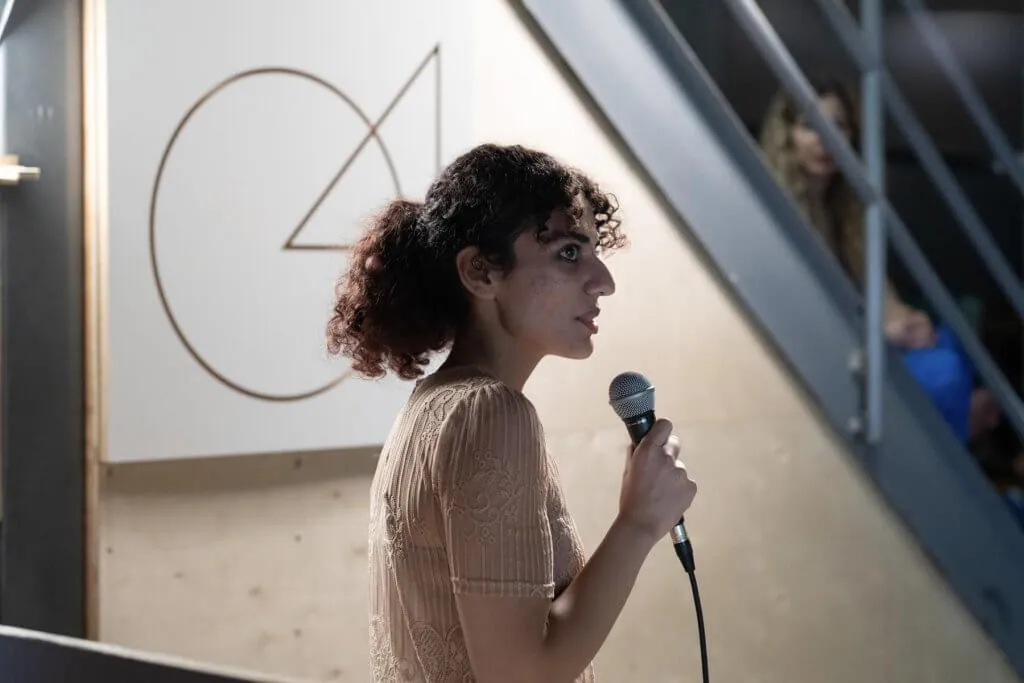
Avionova presenting its approach to motion sickness and vertigo
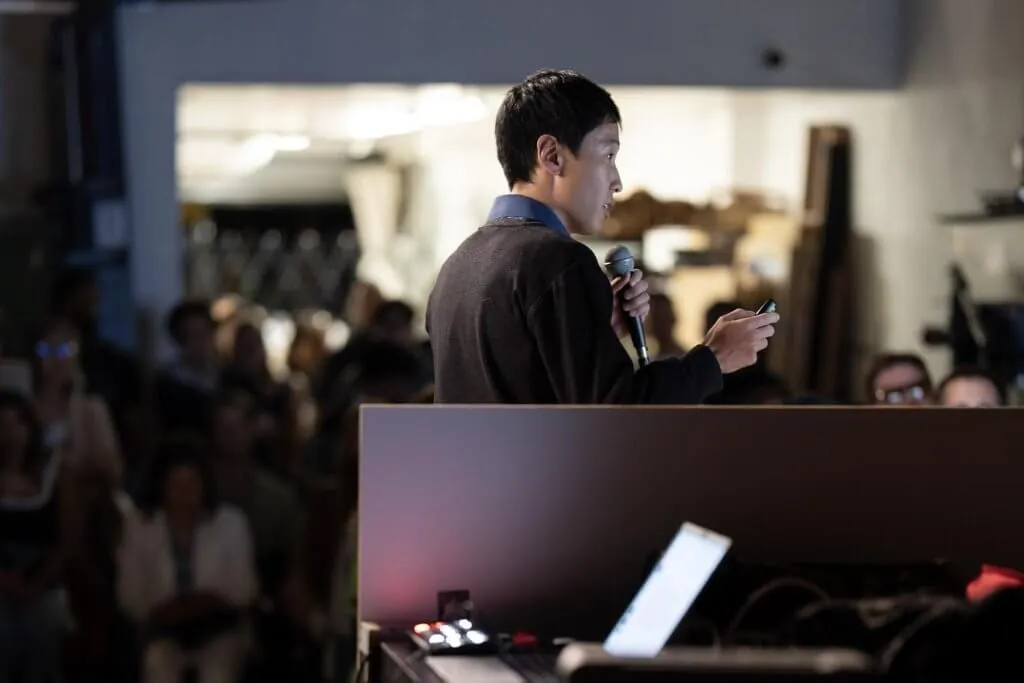
DizzyEX presenting its approach to evaluating vertigo
Hiyd is taking a different approach to adoption: adding health tracking to the watch someone already loves. Its thin sensor attaches beneath an existing watch, letting users collect health data while keeping their preferred style.
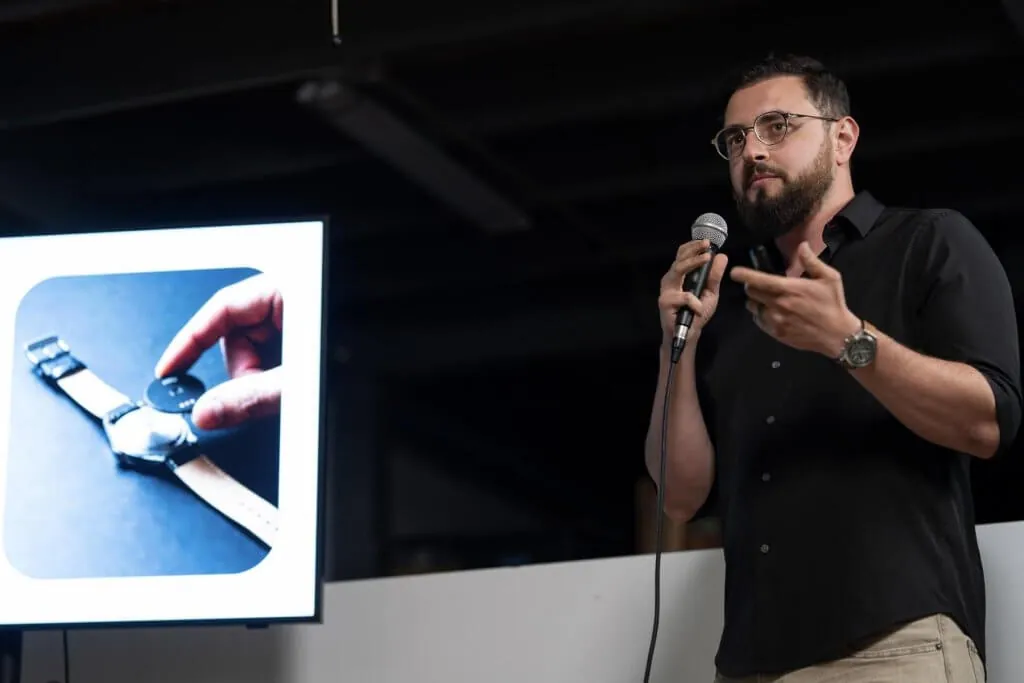
Hiyd presenting health tracking for the watch you already wear
Finally, Awear presented a lightweight EEG wearable designed for everyday use. The team is pairing continuous brain monitoring with AI-based guidance to help people better understand stress and sleep outside the lab.
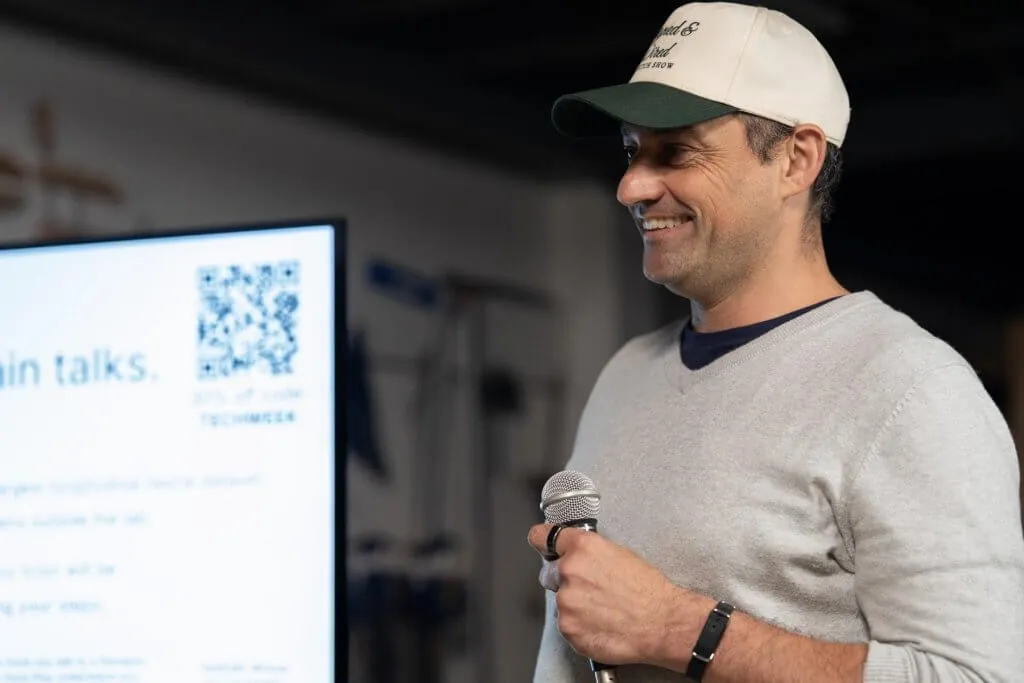
Awear presenting brain monitoring designed for everyday life
Across the pitches, a shared design challenge emerged: collecting useful health information while asking less of the person wearing the device. Comfort, appearance, battery life, privacy, and everyday habits all shape whether a promising technology becomes something people actually use.
Our judging panel—Chris Ma of xNovaVC, deep tech investor Daniel Howe, and Megan Groves of Blue Vision Capital—joined the teams for pitches and feedback.

Questions and feedback from the judging panel
Thank you to all seven presenting teams, our judges, everyone who joined us, and NexPCB for being an incredible supporter of the hardware community. Building health hardware takes expertise across sensing, software, industrial design, manufacturing, and clinical validation. Bringing those people into the same room is a big part of why we host these events.
Informal is a freelance collective for the most talented independent professionals in hardware and hardtech. Whether you’re looking for a single contractor, a full-time employee, or an entire team of professionals to work on everything from product development to go-to-market, informal has the perfect collection of people for the job.